Best Meditation for Anxiety: Breath, Body Scan, Kindness
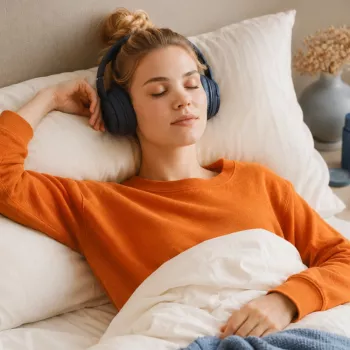
What is the most effective meditation for anxiety?
The most effective meditation for anxiety is usually the one that quickly steadies your nervous system and is easy enough to repeat daily. For many people, a simple breath-focused mindfulness practice—especially slow, extended exhalations—works best because it reduces physical arousal (racing heart, tight chest) while gently training attention away from spiraling thoughts.
Breath-focused mindfulness (simple and reliable)
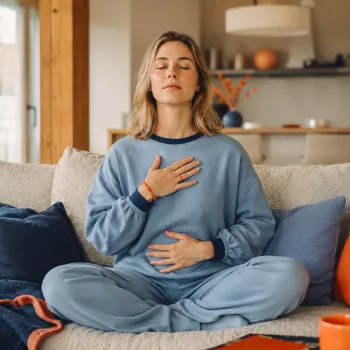
Sit comfortably, relax your shoulders, and place attention on the sensation of breathing (air at the nostrils or the rise and fall of the belly). When the mind wanders to worries, label it “thinking” and return to the breath without judgment. For anxiety, try a calming rhythm like inhaling for 4 counts and exhaling for 6–8 counts for 5–10 minutes.
Body scan meditation (great for tension and restlessness)
If anxiety shows up as muscle tightness or agitation, a body scan can be especially effective. Move attention slowly from head to toe, noticing sensations (pressure, warmth, tingling) and softening areas that feel clenched. This practice can help interrupt the “alarm” feeling by reconnecting you with physical safety cues.
Loving-kindness (helpful for self-criticism and social anxiety)
When anxiety is fueled by harsh self-talk, loving-kindness meditation can be a strong match. Silently repeat phrases such as “May I be safe. May I be calm. May I be at ease,” then extend the same wishes to others. Over time, it can reduce threat-based thinking and increase emotional resilience.
For a deeper, step-by-step breakdown and guidance, visit the full resource here: https://vividcollectionshut.shop/what-is-the-most-effective-meditation-for-anxiety/.
For Best Meditation for Anxiety: Breath, Body Scan, Kindness, the best answer depends on fit, material, care instructions, and how the product will be used day to day.
Checking those details first helps avoid a poor match and keeps the choice practical after delivery.
FAQ
How long should I meditate for anxiety relief?
Start with 5 minutes daily and build to 10–20 minutes as it feels manageable. Consistency tends to matter more than doing long sessions.







Leave a comment