Eco-Friendly Traveler Meaning: Habits That Reduce Impact
What is an eco-friendly traveler?
An eco-friendly traveler is someone who plans and takes trips in ways that reduce environmental impact and respect local communities. Instead of focusing only on convenience or cost, they consider how transportation, lodging, food, and activities affect energy use, waste, water, wildlife, and the people who live in the destination.
Eco-friendly travel doesn’t require perfection. It’s usually a series of practical choices—like packing reusables, taking public transportation when possible, and supporting responsible tour operators—that add up to a lighter footprint over time.
How does eco-friendly travel look in real life?
It often starts with transportation, since flights and long car trips can be major sources of emissions. An eco-friendly traveler may choose direct flights, offset emissions when it’s credible and transparent, use trains or buses for shorter routes, or share rides to cut per-person impact.
Where you stay matters, too. Many eco-friendly travelers look for accommodations that conserve water and energy, reduce single-use plastics, and follow responsible laundry and waste practices. They also try to spend money locally—choosing locally owned shops, restaurants, and guides to help tourism benefit residents.
What habits make someone a more sustainable traveler?
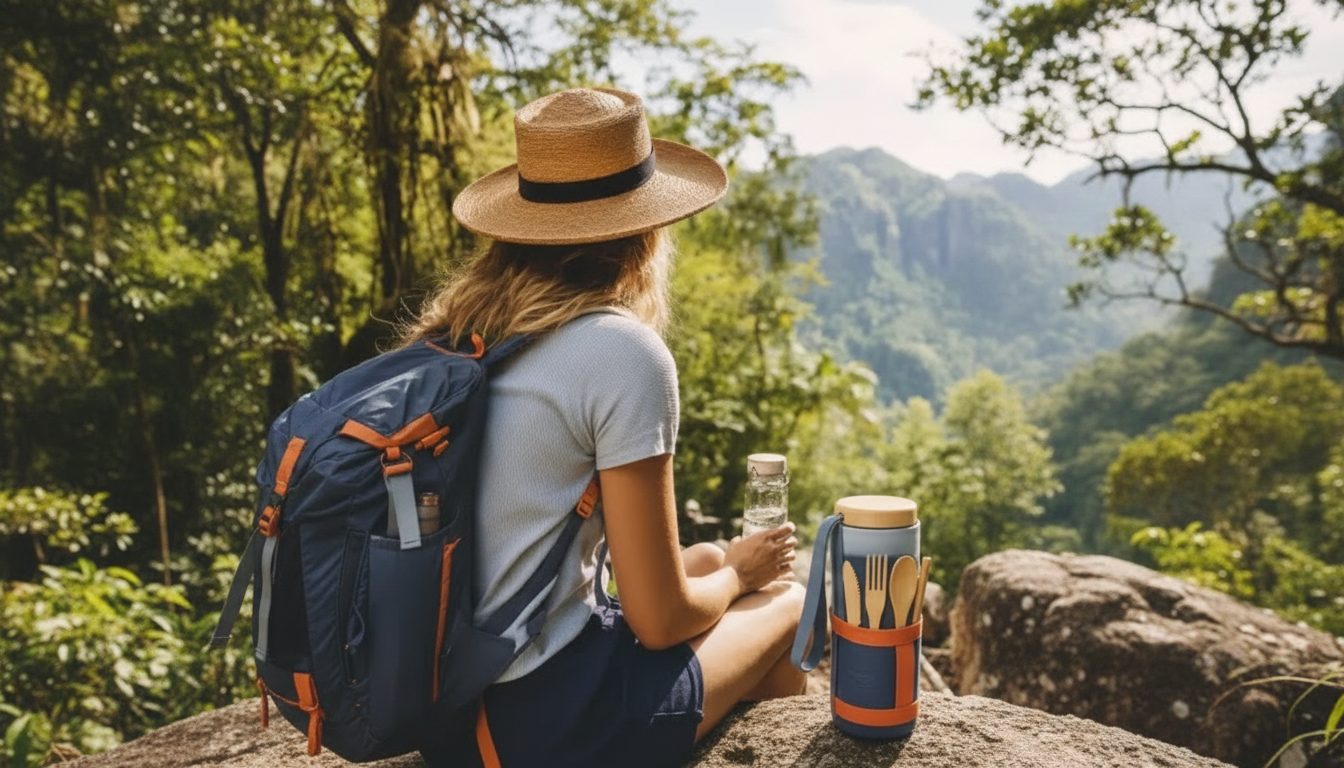
Small habits can make a big difference: carrying a refillable water bottle, bringing a tote or day bag, using reef-safe sunscreen where appropriate, and refusing unnecessary packaging. Food choices also count—sampling local cuisine, reducing food waste, and eating more plant-forward meals when it fits the trip.
Just as important is being mindful in nature and cultural spaces: staying on marked trails, keeping distance from wildlife, and following local rules and customs. For a deeper look at the concept and practical examples, visit this guide on what an eco-friendly traveler is.
FAQ
How can I be an eco-friendly traveler on a budget?
Use public transit, walk more, and pack reusables to avoid constant purchases of bottled drinks and disposable items. Choosing local eateries and traveling slower (fewer paid transfers and tours) can also lower costs while reducing impact.











Leave a comment